Introduction to Embroidery: Essential Materials and Basic Concepts
New to embroidery? Learn the basic definition of embroidery, explore essential materials, and discover everything you need to start your first stitching project with confidence.
BEGINNER'S GUIDE TO EMBROIDERY
5/30/20263 min read
If you’re new to embroidery, getting started can feel overwhelming at first, but it doesn’t have to be. In this blog, I will walk you through what embroidery is and all the materials you need to get started.
Here are a few materials you need to start your embroidery journey.
What is Embroidery?
Embroidery is the art of decorating the fabric using a needle to apply thread, yarn, or other material like beads and sequins. It transforms plain fabric into tactile visual art. Traditionally, embroidery is done by hand, but today, it can also be done by specialized machine.
Essential Embroidery Supplies
Needles
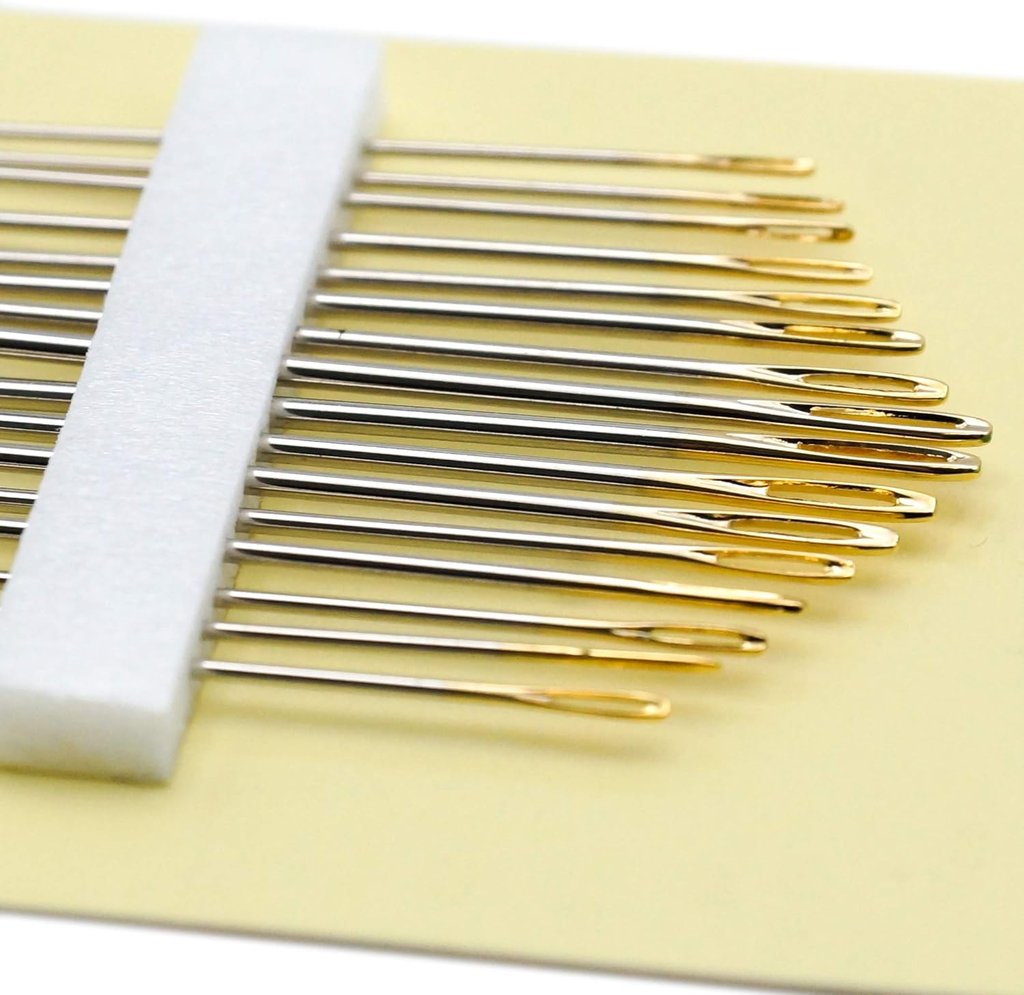
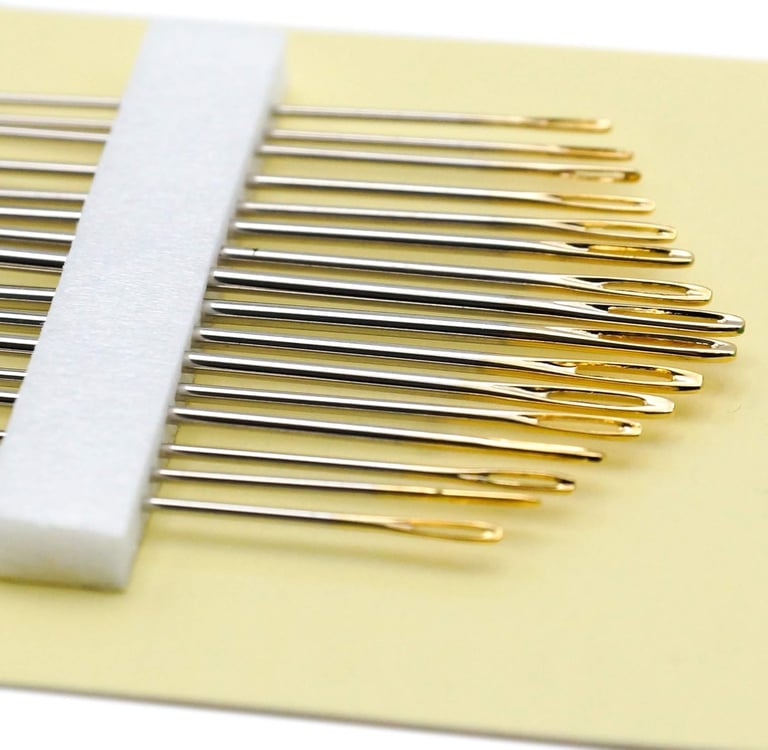
Embroidery needles (also known as crewel needles) are hand-sewing needles with a sharp point designed to easily pierce woven fabric and an elongated oval eye that accommodates thicker threads or multiple strands of embroidery floss.
I’ve used many different embroidery needles over the years, and my current favorite is the Clover gold-eye embroidery needles. I’ve found them to be sturdy, durable, resistant to rust and oxidation, and especially easy to thread and use with embroidery floss.
You can purchase these needles here.
Fabric
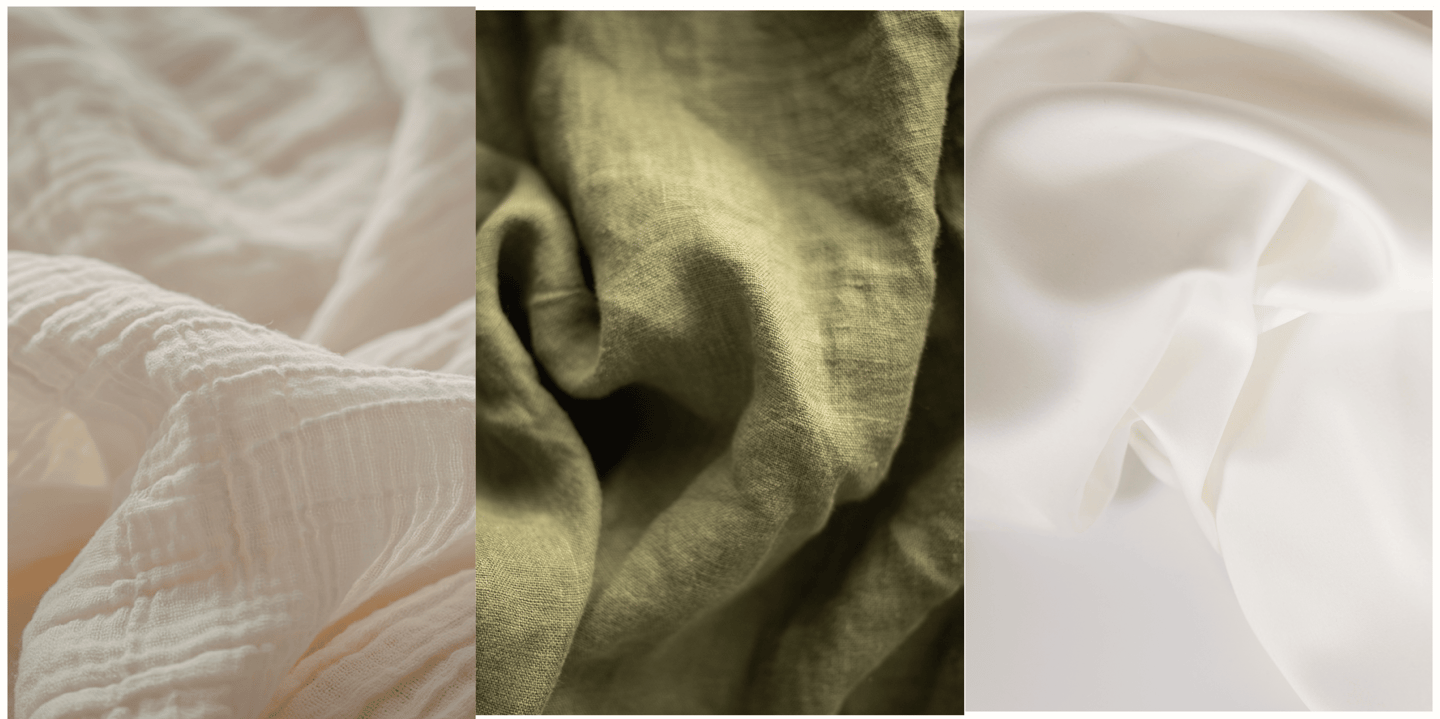
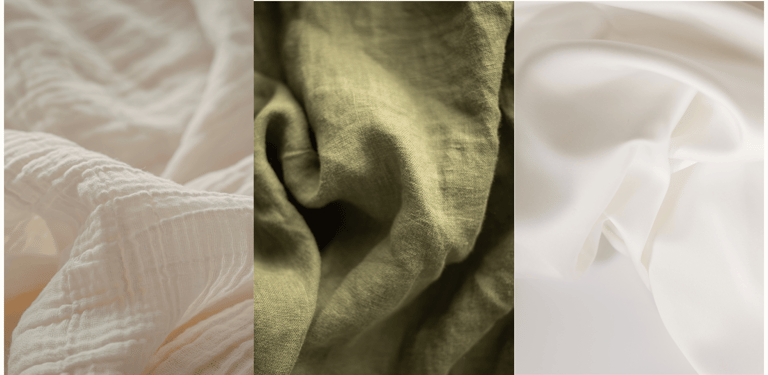
Embroidery is incredibly versatile and can be used to decorate many types of fabric. For beginners, I recommend starting with muslin, linen, or 100% silk. These fabrics are breathable and have more visible space between their woven threads, making them easier to stitch through compared to denser fabrics with a higher thread count.
Additionally, because the most common embroidery floss is made of cotton, it tends to work especially well with natural fibers like cotton and silk. These fabric types help stitches sit more smoothly, hold their shape better, and make the finished embroidery easier to care for over time.
You can purchase these fabric online or at any local fabric store.
Embroidery Floss
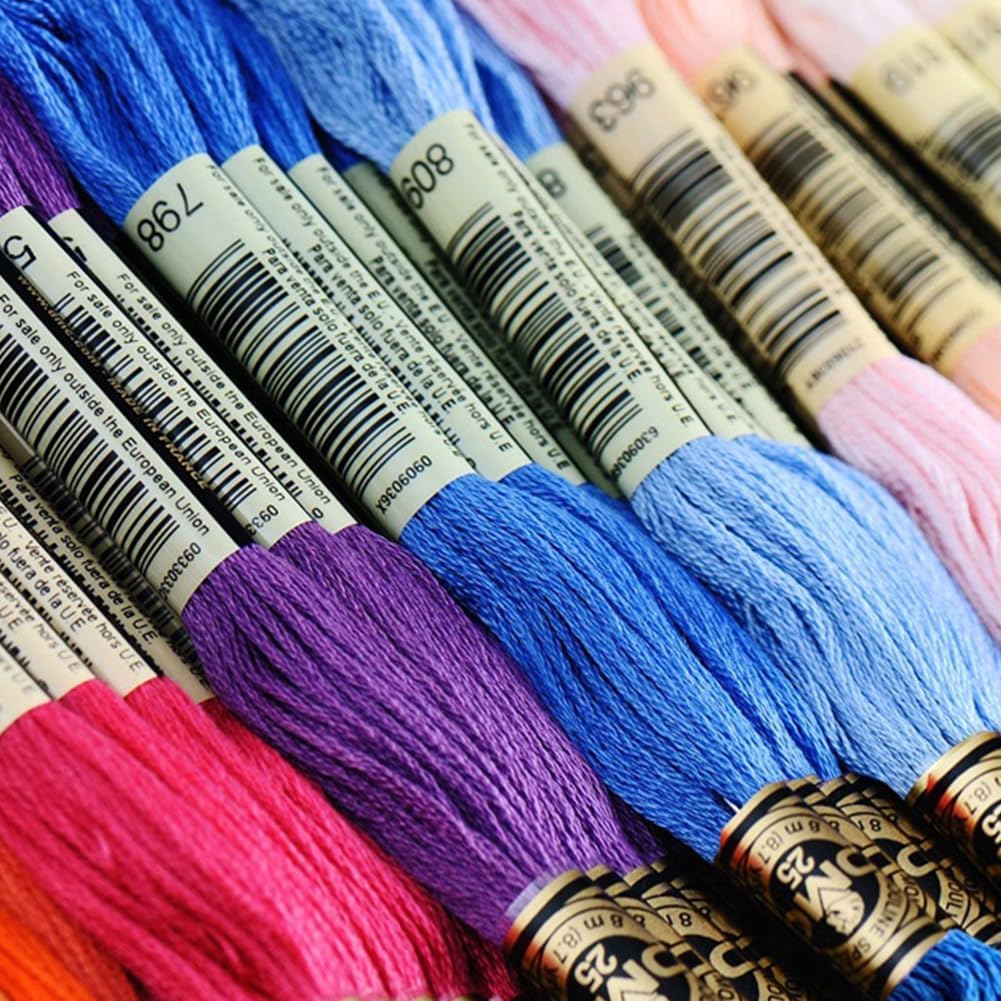
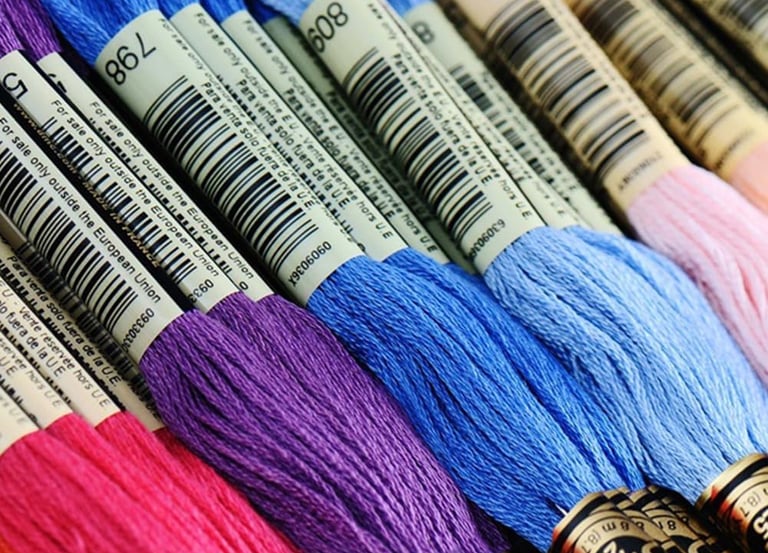
The most common embroidery floss in the United States is six-strand cotton embroidery floss. It is typically made from 100% long-staple cotton and is known for being soft, slightly shiny, and available in a wide range of colors.
It’s called “six-strand” floss because each thread can be separated into six individual strands, allowing you to adjust the thickness and texture of your embroidery stitches depending on your project.
One of the most widely used embroidery floss brands in the U.S. is DMC. Their floss is popular for its quality, color selection, and consistency, making it a favorite among both beginners and experienced embroiderers.
You can purchase embroidery flosses here.
Embroidery Hoop
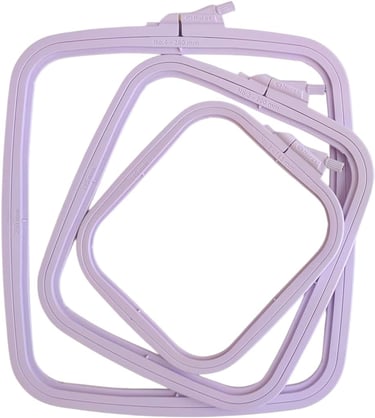
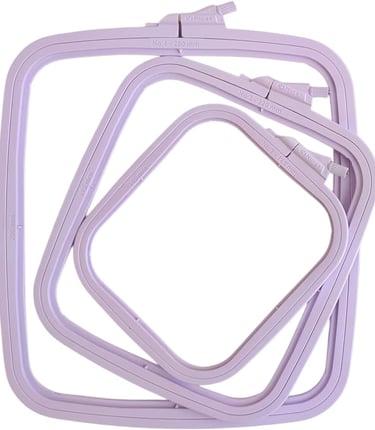
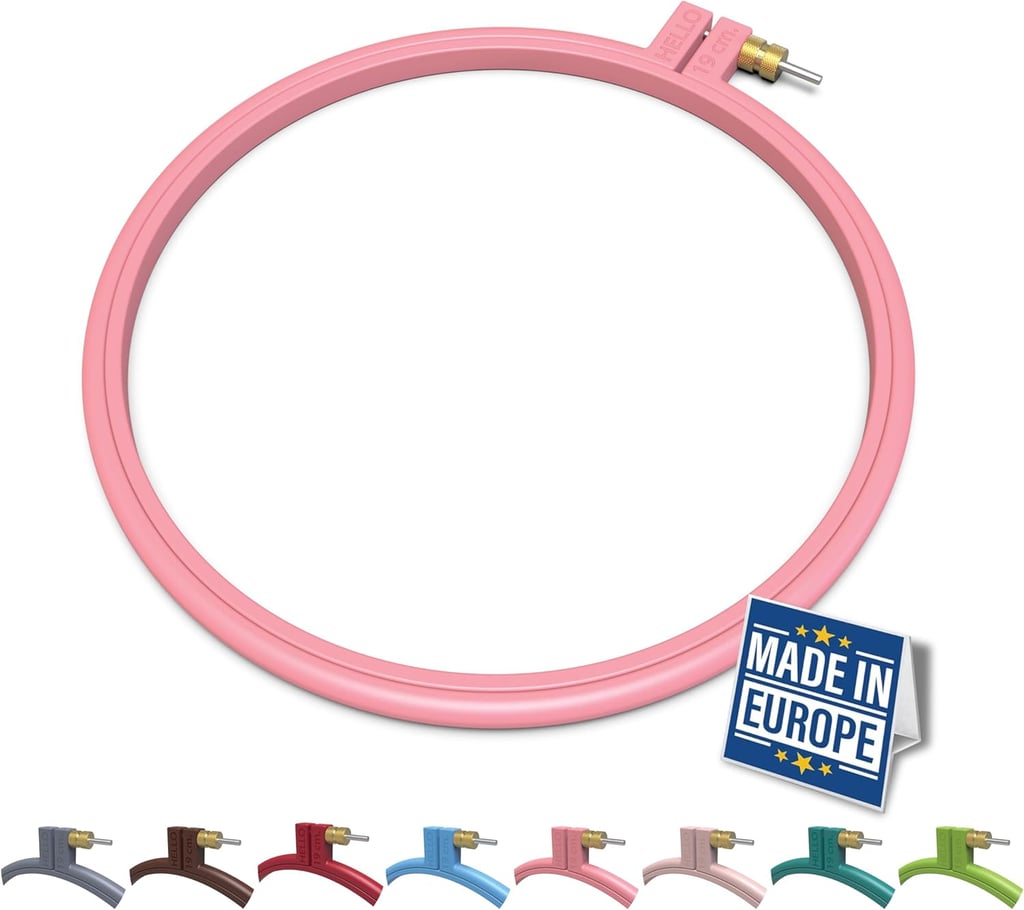
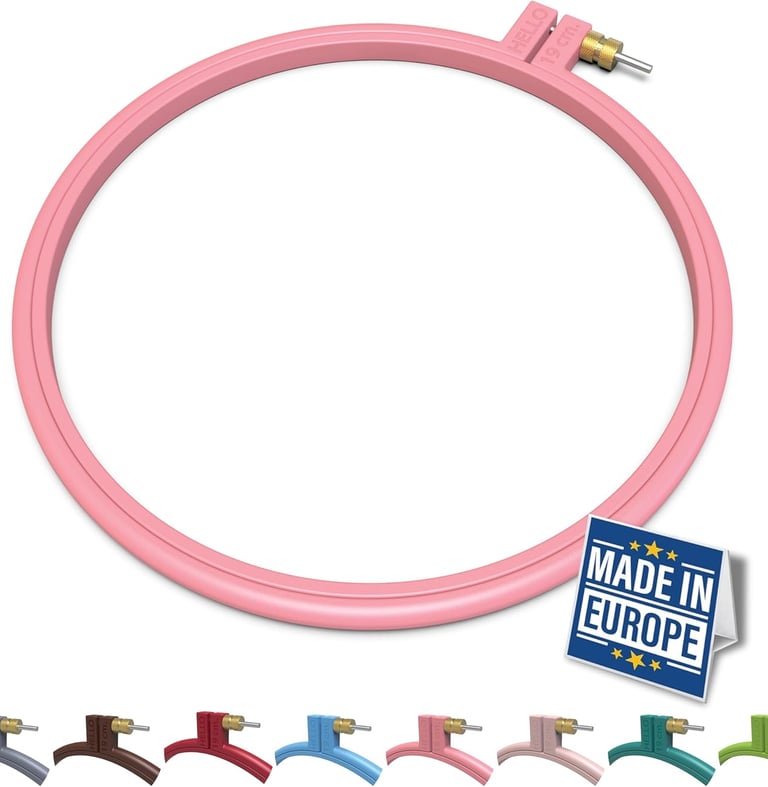
There are many types of embroidery hoops used in embroidery today, with the most common being bamboo and plastic hoops. Personally, I prefer more modern embroidery hoops because they tend to be sturdier, hold fabric more securely, and maintain tension better throughout the stitching process. They are also less likely to leave marks or stains on the fabric.
Below are a couple of embroidery hoops that I use for different embroidery projects.
Now that you have all the basic materials needed to start your first embroidery project, in the next blog post I’ll guide you through some essential embroidery stitches and show you how to use them in a simple yet beautiful embroidery design.
Read more
House of Nina Anne
Follow me on social media
Newsletter
For online orders: contact@houseofninaanne.shop
©2026 House of Nina Anne. All rights reserved.
Join my stitching corner, get fresh embroidery tips, and receive exclusive deals!
For custom embroidery art: